15 Best Winter Hair Color Ideas to Give Your Hair a Fresh New Look in 2026
Winter is a great time to change your hair color and try something new. You might want to go darker, add a little warmth, or brighten your hair with soft highlights. Even a small color change can make your haircut look different. From rich brown shades to pretty reds and blondes, there are many colors you can enjoy during the colder months.
The best winter hair color ideas include natural-looking shades and a few bold choices. You can keep your hair close to its original color or try something completely different. Here are 15 winter hair colors to consider for short, medium, and long hairstyles.
1. Dark Mocha Brown Hair
Dark mocha brown is a rich hair color that combines deep brown with soft, warm tones. It is not as dark as black hair but still gives you a deep color. You can wear mocha brown as one shade or add a few lighter brown pieces to create a gentle mix of colors.
This shade is a nice choice if you already have brown hair and want a small change. It looks good with long layers, straight bobs, and natural curls. Ask your hairstylist for a dark mocha base with very subtle highlights if you want the color to have more depth.
2. Natural Soft Black Hair
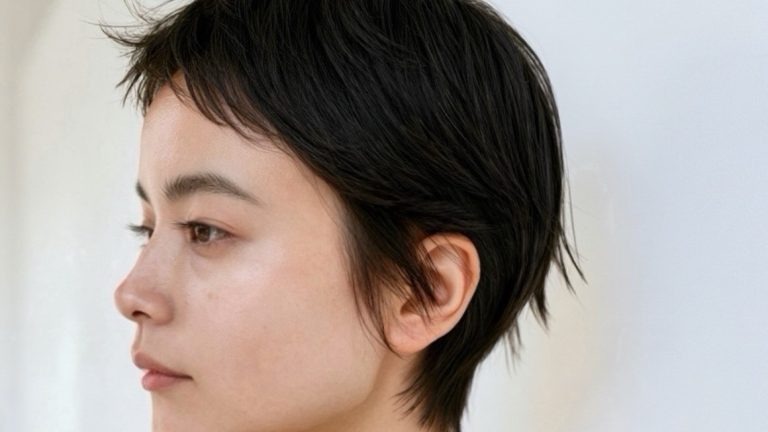
Soft black is a dark hair color that looks a little lighter than jet black. It has a gentle finish without strong blue or purple tones. This shade is a good option if you enjoy dark hair but do not want a very bold color. It can also make lighter brown strands less noticeable.
You can try soft black on almost any hair length, from short pixie cuts to long hair. A simple bob can show off the even color, while curls add natural movement. If your hair is already dark, ask your stylist whether a color gloss would be enough to refresh it.
3. Warm Chestnut Brown Hair
Chestnut brown is a medium brown hair color with soft reddish warmth. It is lighter than espresso brown and has more warmth than ash brown. The reddish tones are usually gentle, making the color look natural rather than bright. It is a nice choice for anyone who wants brown hair with a little extra color.
Chestnut brown works well with shoulder-length layers and loose curls. You can also add a few lighter pieces near your face to make the color more noticeable. If you prefer a simple look, keep the shade even from roots to ends. This color can be a comfortable change from natural dark brown hair.
4. Golden Hazelnut Highlights
Golden hazelnut highlights add warm, light brown pieces to a darker hair base. The color sits between golden brown and soft caramel. These highlights can be placed around the face and through the ends to add brightness. Your natural brown hair stays visible, so the overall look does not become too light.
This idea works nicely on medium and long hair. Loose waves can help show the difference between the dark base and lighter pieces. Ask your stylist for fine highlights if you want a soft finish. Keeping the roots close to your natural color may also make new growth less noticeable.
5. Toffee Brown Hair Color Melt
Toffee brown is a warm shade with golden and caramel tones. A color melt combines a darker shade near the roots with lighter color through the lengths. The change is soft, without a sharp line between the two shades. This creates a gentle mix of brown colors throughout the hair.
A toffee color melt can look nice on long layers and shoulder-length hairstyles. The lighter ends are easier to see when the hair moves. If you naturally have dark brown hair, you can ask for a deeper root color and soft toffee ends. Your stylist can adjust the lightness to suit your hair’s condition.
6. Classic Auburn Red Hair
Auburn is a warm hair color that mixes brown and red. It is not as bright as orange copper and not as dark as burgundy. Some auburn shades have more brown, while others show stronger red tones. This makes it a nice choice if you want to try red hair without choosing a very bright color.
Auburn hair can look good on short bobs, medium layers, and long curls. You can ask for a soft brown-red shade if you prefer a natural appearance. Since red tones can fade, using products made for colored hair and washing with lukewarm water may help keep the color looking fresh.
7. Spiced Copper Hair
Spiced copper is a warm hair color that mixes orange, red, and a little brown. It has more depth than bright orange copper, giving it a rich appearance. The shade can be made darker for a gentle look or brighter if you want your hair color to stand out.
This color looks interesting on wavy hair because the copper tones are easy to see through the curls. It can also give a short haircut a different look. If your hair is very dark, ask your stylist whether lightening is needed. A strand test can help show how your hair may respond to the color.
8. Cherry Mocha Hair
Cherry mocha combines dark brown with deep cherry-red tones. It looks like a rich brunette shade at first, but the red becomes easier to notice in brighter light. The color is darker than copper and softer than a full bright red. It gives brown hair a noticeable change without becoming too light.
This shade is a nice choice for people who enjoy dark hair with a hint of red. You can wear it on straight hair, layered cuts, or curly hairstyles. Ask your stylist to keep the brown base deep if you want a more subtle finish. Red tones may need refreshing as they fade.
9. Deep Plum Burgundy Hair
Plum burgundy is a dark hair color that combines red and purple tones. It has a cool, rich appearance and looks different from warm auburn or copper hair. Some versions appear almost black in low light, while others show more purple. You can choose a deeper or brighter plum shade depending on your taste.
This color can create an interesting look on long straight hair and short layered cuts. If you have natural black hair, ask your stylist how visible the plum tone will be without lightening. You can also try a darker version first if you are unsure about wearing a strong purple-red color.
10. Soft Vanilla Blonde Hair
Vanilla blonde is a light hair color with soft cream and golden tones. It is warmer than icy platinum blonde but lighter than honey blonde. The color has a gentle appearance without looking too yellow. It can be worn as one shade or mixed with slightly darker blonde pieces for more depth.
Vanilla blonde looks nice on layered bobs, long hair, and soft waves. If you already have light hair, it may be easier to reach this shade. Darker hair can require more lightening. Ask your hairstylist about keeping a slightly darker root if you want the color to grow out more naturally.
11. Wheat Blonde Hair
Wheat blonde is a natural-looking hair color that combines dark blonde, beige, and light golden tones. It is not extremely bright or dark. The mix of shades gives the hair a soft appearance that can work nicely during winter. You can also keep your natural root color for a more blended finish.
This shade is a good option if you want blonde hair without choosing platinum. It looks lovely on medium-length waves and straight layered cuts. Ask for fine blonde highlights mixed with darker pieces. This helps create depth and keeps the color from looking like one flat shade.
12. Rose Gold Blonde Hair
Rose gold blonde combines soft blonde with light pink and peach tones. It creates a gentle color that is different from ordinary golden blonde. Some versions look mostly blonde with a slight pink finish, while others have a stronger rosy appearance. You can choose how noticeable you want the pink tones to be.
This color works especially well as a temporary change if you enjoy trying different shades. You can ask your stylist about a soft pink toner over suitable light hair. Rose tones may fade with washing, so the color might need refreshing. Avoid trying to lighten dark hair at home without proper guidance.
13. Cool Ash Blonde Hair
Ash blonde is a cool blonde color with gray and beige tones instead of strong gold. It can range from darker ash blonde to a very light shade. The cooler finish gives the hair a muted appearance. This is a nice choice if you prefer blonde colors that do not look too warm.
Try ash blonde on shoulder-length hair, long layers, or a neat bob. You can keep your roots darker and add ash blonde pieces through the middle and ends. Ask your colorist about toner and color care, as blonde hair may develop unwanted warm tones between appointments.
14. Silver Gray Hair With Dark Lowlights
Silver gray hair with dark lowlights combines light silver strands with deeper gray pieces. The darker sections add depth and keep the color from looking completely white. This idea can be especially useful if you already have naturally gray hair and want a more blended appearance.
You can try this color on a short bob, pixie cut, or shoulder-length hairstyle. Ask your stylist to blend the lowlights with your natural gray pattern. If you have dark hair without gray strands, reaching silver may require significant lightening. A professional can help you decide whether it is suitable for your hair.
15. Deep Blue-Black Hair
Blue-black is a dark hair color with cool blue tones mixed into black. It looks mostly black indoors, but a blue shine can appear in bright light. The color has a bold appearance without being as bright as blue or purple fashion colors. It is an interesting option if you enjoy very dark hair.
Blue-black can look nice on sleek straight hair, layered bobs, and defined curls. If you naturally have black or dark brown hair, ask whether a blue-black gloss can create the look you want. Remember that dark permanent dye can be difficult to change later, so choose the shade carefully.
FAQs About Winter Hair Color Ideas
1. What are the most popular winter hair colors for 2026?
Rich brunette shades, warm copper, cherry-toned browns, and soft blondes are among the winter hair colors highlighted for 2026. British Vogue+1
You can choose a natural shade for a small change or try a stronger red or blonde color if you want a different look.
2. Which winter hair color is best for dark hair?
Dark mocha, chestnut brown, cherry mocha, and deep plum are options worth considering for naturally dark hair. However, the final result depends on your original color and whether your hair has been dyed before. Some shades may need lightening to become clearly visible.
3. What winter hair colors are easy to maintain?
Colors close to your natural shade are often easier to maintain. Dark brown, soft black, and subtle highlights may show less obvious root growth than very light blonde colors. Choosing highlights that blend with your roots can also help you go longer between color appointments.
4. How can I protect my hair after coloring it?
Use a gentle shampoo and conditioner suitable for colored hair. Limit very hot water and frequent heat styling. Follow your colorist’s advice about conditioning treatments and touch-ups.
Before using a new hair dye, follow the product directions and complete the recommended skin allergy test. If you have previously reacted to hair dye, seek advice from a dermatologist before using it again. FDA+1
Conclusion
Changing your hair color can be a fun way to refresh your look during winter. You can choose a rich brown shade, try warm red tones, or add soft blonde highlights.
These 15 winter hair color ideas give you plenty of choices for different hairstyles and personal styles. Some shades offer a small change, while others create a completely new appearance.
Think about your natural hair color, the condition of your hair, and how much care your new shade may need. If you are planning a big color change, talk with a professional hairstylist first.
Choose a winter hair color that you enjoy wearing and that feels right for your everyday style.